
Flower Bouquet Etiquette: A Complete Guide to Giving Flowers
Giving flowers is one of the simplest ways to show appreciation, affection, congratulations, sympathy, or friendship. A beautiful bouquet can communicate feelings without requiring a long message.
However, choosing the right flowers is not always as simple as picking the prettiest bouquet. The occasion, relationship, flower color, presentation, and personal preferences can all influence your choice.
Understanding flower bouquet etiquette can help you choose a thoughtful arrangement that feels appropriate and meaningful.
Whether you are buying flowers for a loved one, friend, colleague, family member, or someone you are meeting for the first time, these simple guidelines can help.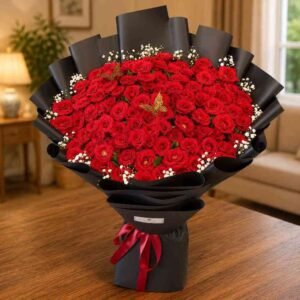
Why Flower Etiquette Matters
Flowers have different meanings in many cultures and traditions. Certain colors and flower varieties can communicate different emotions.
For example, red roses are commonly associated with love and romance. Pink flowers can express affection, appreciation, or admiration. White flowers often create an elegant and peaceful impression.
This does not mean there are strict rules for every bouquet. Personal preference always matters.
The most important part of giving flowers is choosing something that suits the recipient and the occasion.
Choose Flowers Based on the Occasion
The occasion should be one of the first things you consider when selecting a bouquet.
A romantic bouquet may be ideal for a partner, while a colorful mixed arrangement may be more suitable for a birthday or celebration.
For professional situations, a simple and elegant arrangement can be a better choice than an extremely romantic bouquet.
Think about the message you want your flowers to communicate before making your selection.
Choose the Right Flower Colors
Color is an important part of flower gifting.
Different colors can create very different impressions.
Red Flowers
Red flowers are often associated with love, passion, romance, and strong emotions.
They are especially popular for romantic occasions and meaningful relationships.
Pink Flowers
Pink flowers can communicate affection, appreciation, sweetness, and admiration.
They are versatile and can work well for birthdays, celebrations, friendship, and thoughtful everyday gifts.
White Flowers
White flowers create a clean, elegant, and peaceful appearance.
They can be suitable for formal occasions, congratulations, appreciation, and many other situations.
Yellow Flowers
Yellow flowers often create a cheerful and energetic feeling.
They can be a great choice when you want your bouquet to feel bright, friendly, and positive.
Purple Flowers
Purple flowers can create a sophisticated and luxurious appearance.
They can be a good choice when you want something elegant and slightly different from traditional red or pink arrangements.
Consider Your Relationship With the Recipient
Your relationship with the recipient should also influence your bouquet choice.
If you are giving flowers to a romantic partner, a romantic arrangement may be appropriate.
For a friend, colorful flowers or a cheerful mixed bouquet can be a thoughtful option.
For a family member, choose flowers based on their personality and favorite colors.
When giving flowers to a colleague or business contact, keep the arrangement elegant and neutral.
The goal is to make the recipient feel appreciated without creating an uncomfortable situation.
Do Not Always Choose the Largest Bouquet
A larger bouquet is not automatically a better gift.
The quality, freshness, presentation, and suitability of the flowers are often more important than size.
A smaller arrangement that matches someone’s personality can feel much more thoughtful than a huge bouquet chosen without consideration.
Instead of asking, “What is the biggest bouquet I can buy?” think about, “What bouquet would this person genuinely enjoy?”
Consider the Recipient’s Favorite Flowers
If you know someone’s favorite flower, choosing it can make your gift much more personal.
For example, if someone loves roses, a carefully arranged rose bouquet can show that you remembered their preference.
If they prefer lilies, carnations, tulips, or mixed flowers, consider building the arrangement around those preferences.
Personal details can make an ordinary flower gift feel much more meaningful.
Be Careful With Strong Fragrances
Some flowers have a powerful fragrance.
While many people love strongly scented flowers, others may prefer something more subtle.
If you are unsure about the recipient’s preferences, a lightly scented arrangement can be a safer choice.
This is especially worth considering when flowers are being delivered to an office or another shared indoor environment.
Presentation Makes a Difference
The way flowers are presented can affect the overall impression of the gift.
A well-arranged bouquet with clean wrapping and an attractive presentation can feel more special.
You can also include a small greeting card with a personal message.
Your message does not need to be long. A simple sentence can make the gift feel more personal.
For example:
“Wishing you a beautiful day filled with happiness.”
Or:
“Just a little something to brighten your day.”
A thoughtful message can complement the flowers perfectly.
Should You Give an Odd or Even Number of Flowers?
Flower-number traditions vary between cultures and regions.
In some traditions, odd numbers of flowers are preferred for gifts, while certain even numbers may have different meanings.
Because customs can vary, it is useful to consider the recipient’s cultural background when choosing the number of flowers.
If you are unsure, a professionally arranged bouquet is an easy solution. The florist can create a balanced arrangement without requiring you to focus heavily on the exact number of individual stems.
Think About the Recipient’s Personality
A bouquet should match the person receiving it.
Someone with a simple and elegant style may prefer a minimal arrangement with a few carefully selected flowers.
Someone who enjoys bright colors may appreciate a vibrant mixed bouquet.
For someone who loves luxury, a premium arrangement with sophisticated wrapping may be more suitable.
The best flower gift is often the one that feels like it was selected specifically for the recipient.
When Giving Flowers at Work
Flowers can be a wonderful way to congratulate a colleague or celebrate a professional achievement.
However, professional flower gifts should generally remain tasteful and appropriate.
Choose elegant arrangements rather than strongly romantic designs.
Bright mixed flowers, white arrangements, or sophisticated pastel bouquets can work well in professional settings.
If flowers are being delivered to an office, consider the size of the arrangement. A very large bouquet may be difficult for the recipient to carry or display.
Giving Flowers as a Thank-You Gift
Flowers can be an excellent way to say thank you.
You do not need to wait for a major occasion.
If someone helped you, supported you, hosted you, or did something thoughtful, a small bouquet can be a meaningful gesture.
For a thank-you gift, cheerful colors and elegant mixed arrangements are usually versatile choices.
Add a short personal note explaining why you appreciate the recipient.
Flowers for a Host or Hostess
If someone invites you to their home for dinner or a special gathering, flowers can make a thoughtful host gift.
A compact bouquet is often more practical than an oversized arrangement.
If possible, choose flowers that can easily be placed in a vase without requiring extensive preparation.
A beautifully wrapped bouquet can also be given when you arrive, making it an attractive and traditional gesture.
Consider Flower Delivery Timing
Timing can make your flower gift even more meaningful.
If the flowers are for a birthday, anniversary, celebration, or special event, arranging delivery at the right time can create a pleasant surprise.
Same-day delivery can be useful when you need flowers quickly, while scheduled delivery can help you plan ahead for an important occasion.
Always make sure the recipient’s delivery details and availability are correct before placing an order.
Add a Personal Message
Never underestimate the value of a personal note.
A bouquet becomes more meaningful when the recipient knows why you chose to send it.
Your message can be romantic, friendly, appreciative, congratulatory, or simply cheerful.
For example:
For a friend:
“Sending you these flowers to make your day a little brighter.”
For a partner:
“Every flower reminds me of how special you are.”
For congratulations:
“Congratulations on your wonderful achievement!”
For appreciation:
“Thank you for always being there.”
The message should sound natural and reflect your relationship with the recipient.
Avoid Making the Gift Too Complicated
Flowers are already a thoughtful gift. You do not need to add too many extras.
A beautiful bouquet and a sincere message can be enough.
If you want to include something additional, consider a small complementary gift such as chocolates, a greeting card, or another simple item.
The flowers should remain the main focus.
What Makes a Thoughtful Flower Gift?
A thoughtful flower gift usually combines several simple elements:
- Fresh and attractive flowers
- Appropriate colors
- A suitable bouquet size
- Good presentation
- Consideration of the recipient’s preferences
- A personal message
- Delivery at an appropriate time
You do not need to follow complicated rules.
The key is to think about the person receiving the flowers.
Final Thoughts
Understanding flower bouquet etiquette can make choosing flowers easier and more meaningful.
Start by considering the occasion and your relationship with the recipient. Then choose flowers, colors, and presentation that match their personality and preferences.
Remember that there are no universal rules for every flower gift. Traditions can differ between cultures, and personal preferences are often more important than strict etiquette.
A carefully selected bouquet shows that you took the time to think about someone. Whether it is a romantic gesture, a thank-you gift, a birthday surprise, or simply a way to brighten someone’s day, flowers can communicate emotions beautifully.
The best bouquet is not necessarily the biggest or most expensive one. It is the one that feels thoughtful, appropriate, and personal.